
February 3, 2026
Cacao Vs. Cocoa Powder
Table of Contents
Key Takeaways
Cacao is the raw product from cacao pods, used to make all types of chocolate, whereas cocoa powder has most fat removed and is processed at higher temperatures.
Cacao powder and cocoa powder have varying levels of fat and stimulants, affecting their impact on acid reflux compared to regular chocolate.
Chocolate combines cacao solids, cacao butter, and ingredients like sugar, resulting in a rich treat that contrasts with the lower fat and sugar of cacao and cocoa powder.
Nutritionally, cocoa powder offers lower calories and fat, higher fiber, and richer minerals compared to semisweet chocolate.
Consider your taste, nutrition, and health needs when choosing between cacao, cocoa powder, and chocolate.
In one of my patient sessions, we got on to the topic of chocolate avoidance since my patient has Barrett’s Esophagus. [Chocolate contains fat and compounds like caffeine and theobromine, which can increase acid reflux, further irritating the already damaged esophageal lining.] We were discussing options that were tasty, hoping to find something yummy. We started talking about the differences between Cacao vs. Cocoa Powder when reviewing the nutrition labels of a granola-type bar, and it said “Cocoa powder?” Then we began to wonder what the difference was between cocoa powder, Cacao, and chocolate?!
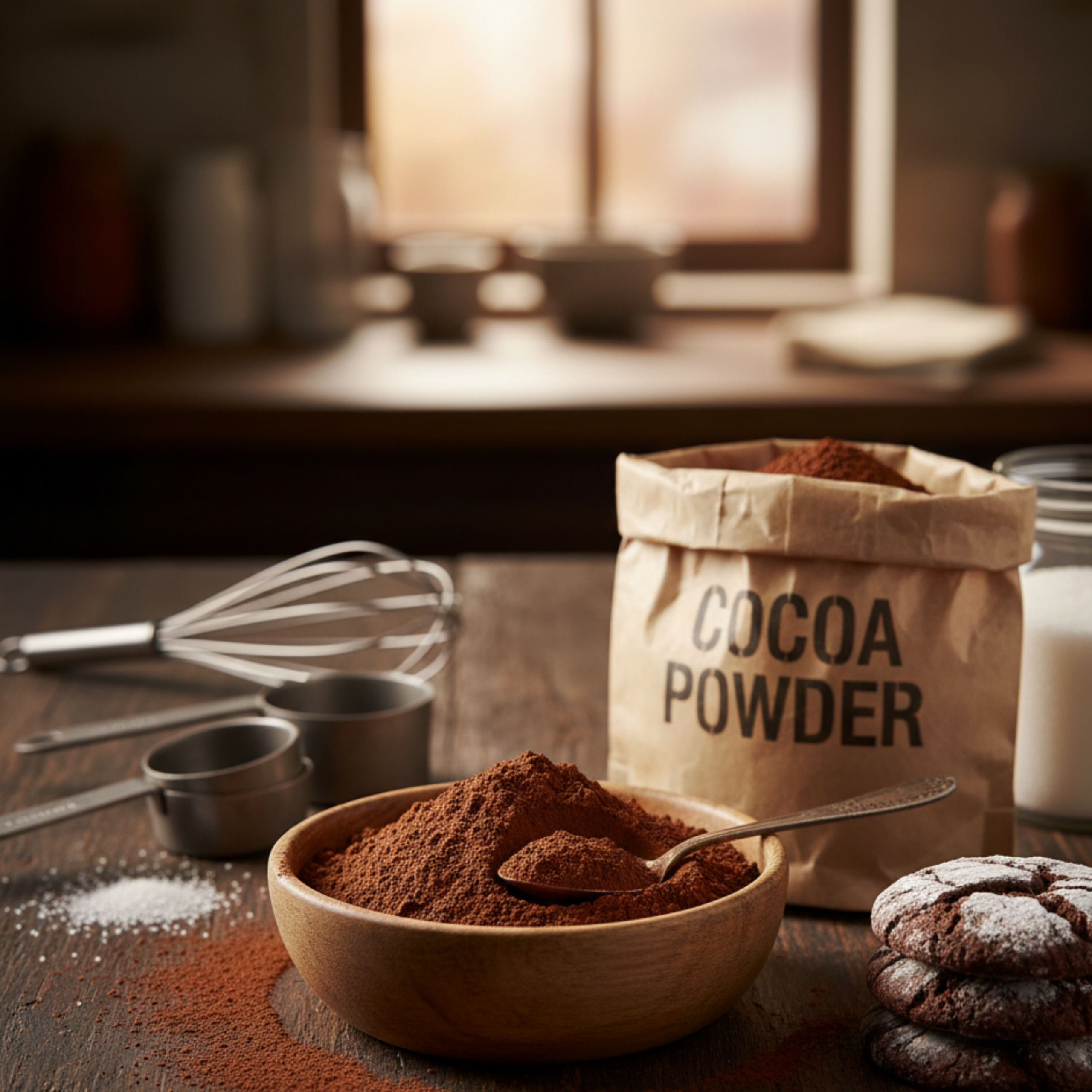
I remembered a trip to Roatan, Honduras, where I joined a traditional chocolate-making workshop based on old Mayan methods. We crushed dried cacao pods and made a paste using just the raw ingredients, with no added sugar or fat. This experience showed me how simple and pure early chocolate was, which connects to the differences between cacao, cocoa powder, and modern chocolate.
So, that got us thinking: since regular chocolate tends to worsen reflux due to its fat content and the presence of stimulating compounds like caffeine and theobromine, would cocoa powder or cacao—each with different processing methods and varying levels of these components—have a similar effect? Exploring this question is important, as the impact on reflux may depend on how much fat and specific stimulants remain in cacao or cocoa powder compared to regular chocolate.
What is Cacao?
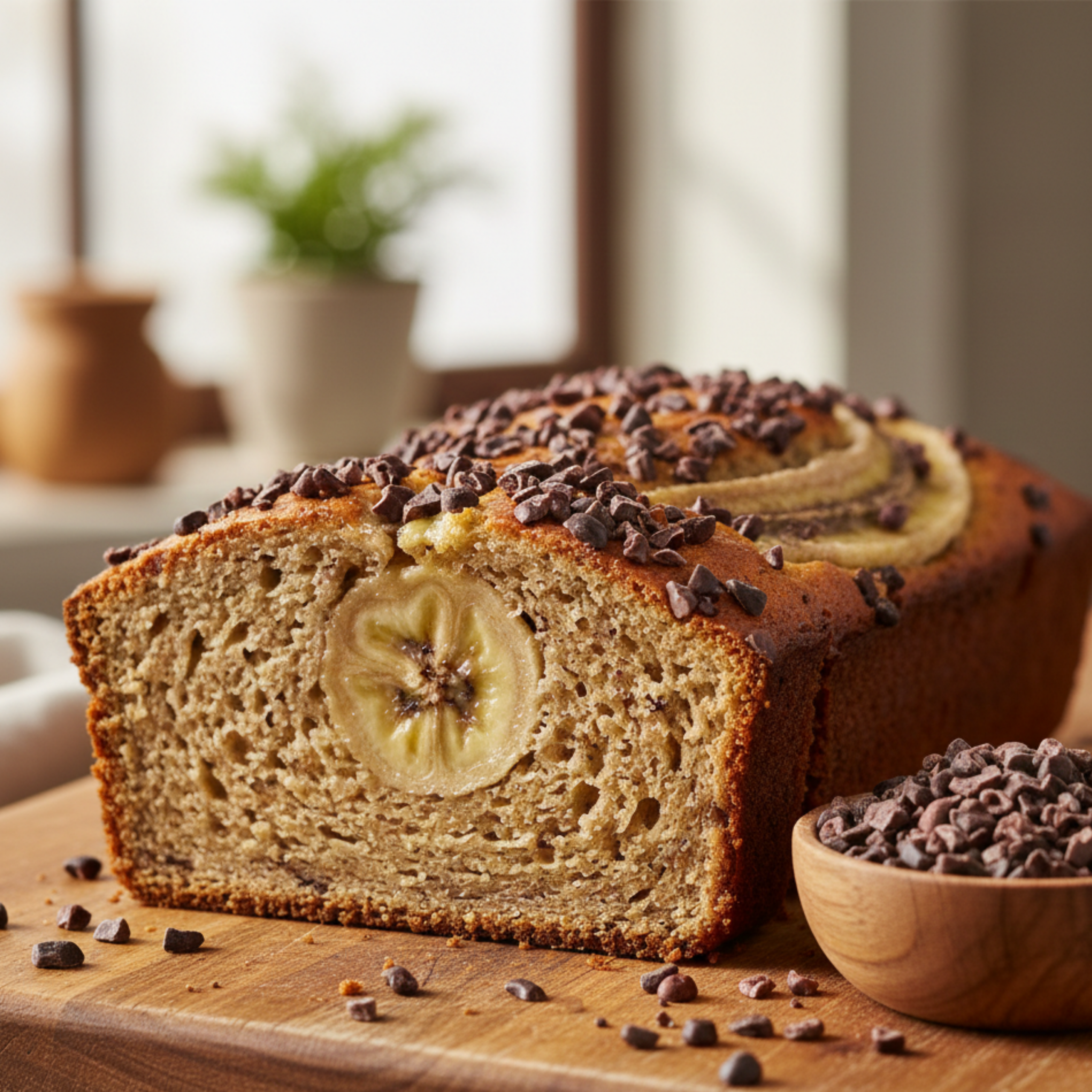
I love adding cacao nibs to banana bread for a bit of crunch and chocolate flavor. But what exactly is cacao?
Cacao is the raw, natural product that comes straight from the pods of the cacao tree. Inside each pod are cacao beans, which are fermented, dried, and later used to make all kinds of chocolate treats.
Cacao is the starting point for all chocolate, before any sugar, milk, or other ingredients are added. From these beans, we get cacao nibs, cacao powder, cocoa powder, and chocolate bars.
How they’re made
- Cacao beans are harvested from cacao pods.
- The beans are fermented and dried.
- They are roasted and cracked.
- The outer shell is removed, leaving crunchy pieces called nibs.
From those cacao beans, we get:
- Cacao nibs – chopped up pieces of the roasted bean
- Cacao/cocoa powder – the bean with most of the fat removed and ground into powder
- Cacao butter – the fat extracted from the beans (used in chocolate and cosmetics)
- Chocolate – made by combining cacao solids, cacao butter, and usually sugar

What is Cocoa Powder?
Cocoa powder comes from cacao beans, too, but most of the natural fat (cocoa butter) is taken out first. What’s left is dried and ground up into that familiar chocolatey powder you see in baking and hot cocoa. The beans are roasted at higher temperatures before being pressed and ground. This roasting process gives cocoa powder a smoother, slightly sweeter taste that’s more traditionally “chocolatey,” but it reduces some of the nutritional content compared to cacao powder.
How Is Cocoa Powder Made?
- Cacao beans are fermented, dried, and roasted.
- They are ground into a thick paste called chocolate liquor.
- Most of the fat (cocoa butter) is pressed out.
- The leftover solid is ground into cocoa powder.
What is Chocolate, Then?
Chocolate is made by fermenting, drying, roasting, and grinding cacao beans, then mixing them with ingredients like sugar, cocoa butter, and sometimes milk. That’s how we get the sweet treat we all know and love.
The basic process:
- Cacao beans are roasted, then cracked open and separated from their shells
- What’s left (the “nibs”) are ground into a thick paste called chocolate liquor or cacao mass—this contains both the solids and the natural fat (cacao butter)
- From here, different types of chocolate are made by adding or removing ingredients
The main types of chocolate:
Dark chocolate – Made from cacao solids, cacao butter, and sugar. The percentage you see (like “70% dark chocolate”) tells you how much of it is actual cacao versus sugar and other ingredients. No milk is added.
Milk chocolate – Contains cacao solids, cacao butter, sugar, and milk powder or condensed milk. It’s sweeter and creamier than dark chocolate, with a milder chocolate flavor.
White chocolate – Made from cacao butter (the fat), sugar, and milk, but contains no cacao solids. That’s why it’s white/cream colored and doesn’t taste like traditional chocolate—it’s technically just the fat from the cacao bean.
The difference from cocoa powder: Chocolate contains the fat (cacao butter), while cocoa powder has most of the fat removed. That’s why chocolate melts and is smooth, while cocoa powder is dry.
Nutrition in Cacao/Cocoa Powder vs Semisweet Chocolate
| Nutrient | Cocoa Powder (Unsweetened)1 tbsp (5g) | Semisweet Chocolate1 tbsp (15g) |
| Calories | 12 | 70 |
| Total Fat | 0.74g | 4.4g |
| – Saturated Fat | 0.44g | 2.6g |
| Carbohydrates | 3.1g | 9.3g |
| – Fiber | 2g | 0.86g |
| – Sugars | 0.09g | 7.9g |
| Protein | 1.1g | 0.61g |
| Sodium | 1.1mg | 1.6mg |
| Potassium | 82.3mg | 52.9mg |
| Iron | 0.75mg (4% DV) | 0.45mg (3% DV) |
| Magnesium | 26.9mg (6% DV) | 16.7mg (4% DV) |
| Calcium | 6.9mg (1% DV) | 4.6mg (0% DV) |
| Phosphorus | 39.6mg (3% DV) | 19.1mg (2% DV) |
| Caffeine | 12.4mg | 9mg |
| Theobromine | 111.1mg | 70.5mg |
Key Differences Cocoa Powder vs. Semisweet Chocolate vs. Cacao
Cocoa Powder (Unsweetened):
- Much lower in calories (12 vs 70)
- Much lower in fat and sugar
- Higher in fiber (2g vs 0.86g)
- Higher in protein
- Richer in minerals (iron, magnesium, potassium, phosphorus)
- Higher caffeine and theobromine content
- No added sugar
Semisweet Chocolate:
- 6x more calories
- Contains significant fat from cacao butter
- High in added sugar
- Lower fiber content
- Still provides minerals, but in lower amounts
- Ready to eat/use in recipes
Just a Note on Theobromine
Honestly, I didn’t know what theobromine was or why it’s often mentioned in chocolate along with caffeine. Here’s a fun fact: the name comes from the Greek words theo, meaning “god,” and broma, meaning “food.” Despite the name, theobromine does not contain bromine. The “-ine” ending is just a standard way to name alkaloids, like nicotine or morphine.
Theobromine is less about “waking up the brain” and more about “relaxing the body.”
Heart and Blood Flow: It acts as a vasodilator, widening blood vessels. This can lead to a slight drop in blood pressure and improved circulation.
Mood Elevation: It stimulates the release of serotonin and binds to adenosine receptors (though more weakly than caffeine), contributing to that signature chocolate “bliss.”
Respiratory Relief: It relaxes the smooth muscles of the lungs, which is why it has historically been studied as a cough suppressant.
Diuretic Effects: Like caffeine, it increases kidney filtration, making you need to use the restroom a bit more often.
Final Thoughts
When deciding between cacao, cocoa powder, and chocolate, think about your taste, nutrition, and health needs. Cacao and cocoa powder both give you a rich chocolate flavor with much less fat and sugar than regular chocolate, so they’re a good choice if you’re sensitive to reflux or want to cut calories. Knowing the differences can help you enjoy chocolate while still meeting your health goals.
Disclaimer: This article is not intended to provide medical advice, diagnosis, opinion, treatment or services. This article and the links contained in it provide general information for educational purposes only. The information provided in this article is not a substitute for medical care, and should not be used in place of the advice of your physician or registered dietitian.
We are a health and wellness site, with work written by Registered Dietitians or Medical Professionals, please review our editorial process here.

Christa is a media dietitian and nutrition consultant in the New York City area. She works with various brands and has been featured in dozens of outlets such as Women’s Health, EatingWell, and Peoples Magazine as a nutrition expert. Being a fact checker for EatingWell Magazine and a Medical Reviewer for Nourish, she brings her extensive experience within the field to provide compassionate, inclusive care using science for intimate and personalized messaging.
Christa brings warm laughter, joy, and medical expertise to any conversation allowing for honest science-based discussions with authenticity at their core.
In her private practice, she works with men and women suffering from emotional traumas that cause binge eating disorders exacerbating their type 2 diabetes, PCOS and insulin resistance.
